What can be recycled depends on both the item and the local program. Use this room-by-room checklist to sort common household materials, identify items that need a special drop-off, and confirm local rules before placing anything in a curbside bin.
Overview
Recycling guidance is not universal. A material may be accepted in one city’s recycling program but rejected by a neighboring county, apartment service, or private hauler. Processing equipment, collection contracts, contamination limits, and available end markets can all affect what a local program accepts.
For that reason, treat this checklist as a sorting guide, not a substitute for local instructions. Before you act, search a recycling center near me or use a local recycling directory to check the item, accepted preparation, hours, and whether the location is a curbside program, drop-off site, retailer take-back point, or household hazardous waste facility.
A useful rule is to keep recyclable materials empty, clean, dry, and loose unless your local program says otherwise. Do not place an item in the recycling bin simply because it is made partly of paper, plastic, glass, or metal. The local facility must be able to sort and process its particular shape and combination of materials.
Checklist by scenario
Kitchen
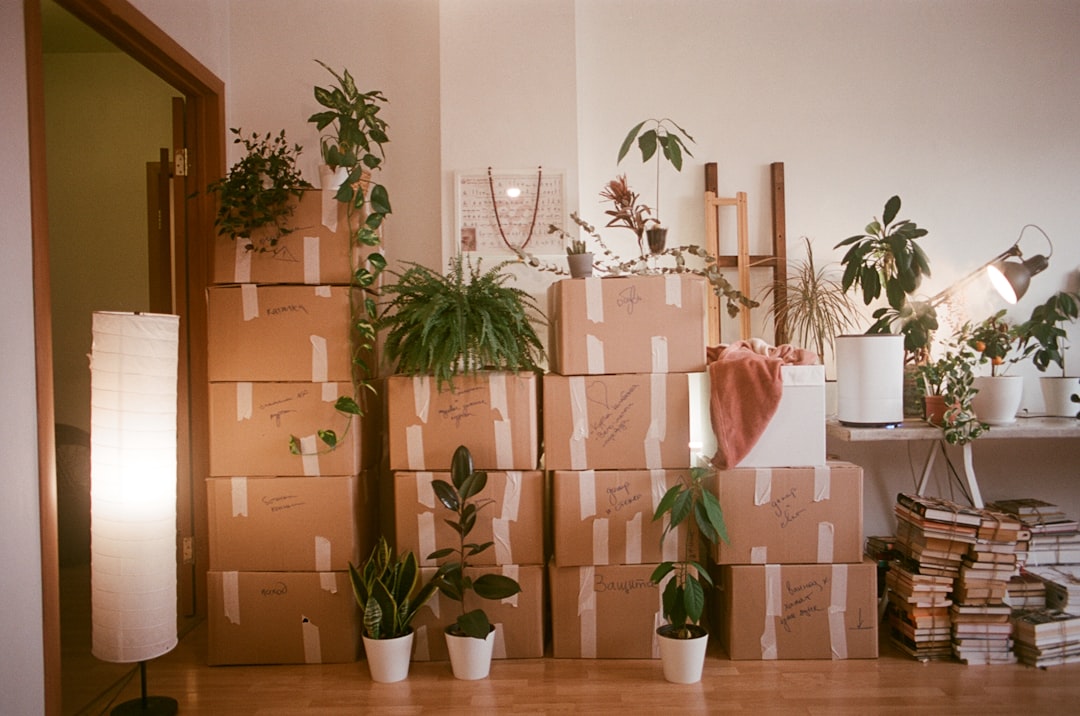
- Cardboard boxes: Flatten shipping, cereal, and dry-food boxes if your program accepts them. Remove food residue, liners, and excessive plastic packaging. Large amounts of moving or shipping cardboard may be better handled through a recycling drop-off or scheduled collection.
- Paper cartons: Milk, juice, and broth cartons may be accepted in some programs. Empty them and follow local guidance on caps, straws, and rinsing.
- Glass bottles and jars: Empty containers and remove food residue. Do not assume drinking glasses, ceramics, mirrors, cookware, or light bulbs belong with bottles and jars; they usually require different handling.
- Metal cans: Empty food and beverage cans, and check local instructions for lids. Sharp edges should not be left exposed. Aerosol cans need specific guidance because they may be pressurized or contain residue.
- Plastic containers: Check your local list rather than relying only on the plastic recycling number. A number identifies the resin type, but does not guarantee that your local program accepts the container. Empty bottles, tubs, and jugs and replace caps only when instructed.
- Plastic bags and film: These are often handled separately from curbside recycling. Look for a retail take-back point or local drop-off listing, and keep film clean and dry.
- Food scraps, cooking oil, and grease: These generally do not belong in a recycling bin. Use a local organics program where available, and follow safe disposal guidance for oil and grease at this cooking oil and grease guide.
Bathroom
- Empty shampoo, soap, and cleaning-product containers: Check the local program’s accepted plastic shapes and remove leftover product. Containers that held chemicals, medications, or hazardous products may need a separate route.
- Toilet paper and paper towel tubes: These are commonly considered with cardboard and paper, but confirm local acceptance and keep them free of contamination.
- Cosmetic containers: Small, mixed-material packages can be difficult to process. Search the directory for a brand take-back program or specialty drop-off before using the curbside bin.
- Razors, toothbrushes, and personal-care items: Do not place sharp objects or small loose plastic items in recycling unless a program specifically accepts them. Reuse, disposal, or manufacturer take-back may be more appropriate.
- Medications and medical sharps: Use designated collection options. Never place loose sharps in a recycling bin.
Home office
- Printer paper, envelopes, and paper mail: Remove plastic windows, padded liners, and heavily soiled sections if required by your local program. Shredded paper may need to be bagged or taken to a special collection because loose shreds can interfere with sorting.
- Shipping materials: Flatten corrugated cardboard and separate foam, air pillows, and plastic film. Search for a cardboard recycling drop-off when curbside capacity is limited.
- Ink and toner cartridges: Look for manufacturer, office-supply, or local take-back options rather than placing cartridges in the household bin.
- Electronics: Phones, cables, keyboards, printers, and monitors should be checked through an electronics recycling directory. Delete personal data and remove batteries when the manufacturer or program permits it. For larger devices, search “electronics recycling near me” or review local drop-off and special-waste options.
Garage and utility areas
- Batteries: Do not put rechargeable batteries or loose lithium batteries in curbside recycling. Tape terminals or place batteries in individual protective bags when the collection program instructs you to do so, and use a designated battery recycling location. See the guide to recycling batteries safely before transport.
- Paint, solvents, pesticides, and automotive fluids: These may require household hazardous waste disposal. Keep products in labeled containers, do not mix them, and confirm the receiving facility’s instructions before loading them in a vehicle.
- Scrap metal: Empty metal items such as shelving, tools, or appliances may be accepted by a scrap metal recycler, municipal drop-off, or scheduled bulky-item program. Confirm whether the location accepts the item’s size and composition.
- Tires and mattresses: These are usually handled through separate programs, retailers, transfer stations, or special collection events. Search the directory for tire disposal near me or mattress recycling options before leaving them at the curb.
Moving day or cleanout
Moving creates a mixture of ordinary recyclables and items that need special handling. Separate cardboard, clean paper, metal, glass, reusable goods, electronics, batteries, textiles, and hazardous products before arranging transport. Donate usable furniture and household goods where practical, but confirm that the recipient accepts the item and condition. For an oversized load, check the local bulk pickup schedule or a city and county recycling center rather than placing everything beside the curb without an appointment.
What to double-check
Before placing an item in a bin or driving to a drop-off, verify five details:
- Accepted material: Check the exact item, not just its broad category. A plastic bottle and a plastic toy may follow different routes.
- Preparation: Confirm whether the item must be emptied, rinsed, flattened, bagged, separated, or kept loose.
- Location: A curbside program, transfer station, retail take-back point, and recycling center may accept different materials.
- Condition and size: Some facilities limit oversized, damaged, wet, or contaminated items.
- Timing and access: Check hours, appointment requirements, seasonal events, residency rules, and whether fees apply before you go.
If you cannot find a clear answer, do not guess. Use the local directory, contact the program listed for your address, or keep the item aside until you can verify the correct route.
Common mistakes
- “Wish-cycling” an uncertain item: An item that does not belong can contaminate otherwise recyclable material or damage sorting equipment.
- Bagging recyclables: Many sorting systems require loose materials. Confirm the local rule before using a bag.
- Recycling dirty packaging: Food, liquid, and chemical residue can make paper and containers unsuitable for processing.
- Trusting the recycling symbol alone: A symbol or plastic number describes material information, not local acceptance.
- Putting batteries and electronics in the bin: These items need dedicated collection and can create safety hazards during sorting or transport.
- Leaving special waste at the curb without confirmation: Paint, appliances, mattresses, tires, and bulky goods often require an appointment or designated facility.
When to revisit this checklist
Return to this guide whenever you are preparing for a move, spring cleaning, a garage cleanout, a renovation, or a large delivery. Recheck the local directory before each unusual drop-off because accepted materials, collection schedules, facility hours, and preparation instructions can change. It is also worth reviewing your city or county recycling page when a new apartment, home, or service provider changes your collection arrangement.
For everyday sorting, save the directory listing for your address and keep a small “special recycling” box for batteries, cables, cartridges, and other items that do not belong in the curbside bin. Label it clearly, keep hazardous products separate, and check the box before planning a trip. When in doubt, search “recycling near me,” confirm the destination’s current instructions, and then sort the item according to that local guidance.